PageRank Algorithm
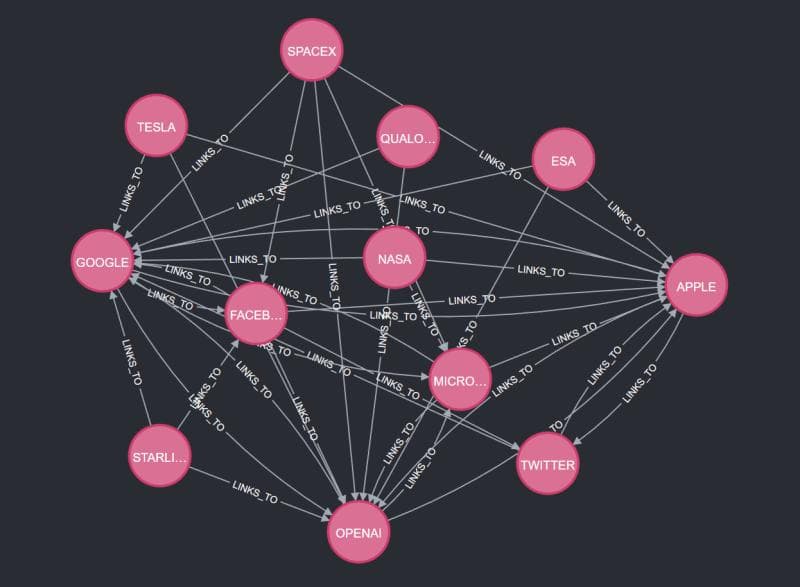
A Java implementation of the PageRank algorithm, the foundation of Google's original search engine. Uses Neo4j graph database to store and analyze web page link structures, determining page importance through iterative probability distribution calculations. Demonstrates understanding of graph algorithms, graph databases, and their real-world applications in search and recommendation systems.
About This Project
Implemented the PageRank algorithm in Java, leveraging Neo4j's graph database to efficiently store and traverse web page relationships. Pages are represented as nodes and links as edges in Neo4j. Used iterative calculations to determine steady-state probability distributions, with damping factors to handle dangling nodes and ensure convergence.
Neo4j graph database stores web pages as nodes and hyperlinks as relationships, Java application performs iterative PageRank calculations using Cypher queries to traverse the graph, damping factor handles dead-end pages, and results are persisted back to Neo4j for analysis and visualization.
Challenges
- ▸Efficiently querying and traversing large graphs in Neo4j
- ▸Handling dangling nodes (pages with no outgoing links)
- ▸Ensuring algorithm convergence with appropriate damping factors
- ▸Optimizing Cypher queries for iterative calculations
Key Learnings
- ▸Deep understanding of graph algorithms and their applications
- ▸Practical experience with Neo4j graph database and Cypher query language
- ▸Insight into how search engines rank web pages
- ▸Graph database optimization techniques for iterative algorithms